「だるま」を英語で紹介 / Introducing Daruma in English
eeom6002
えいごフロッグ

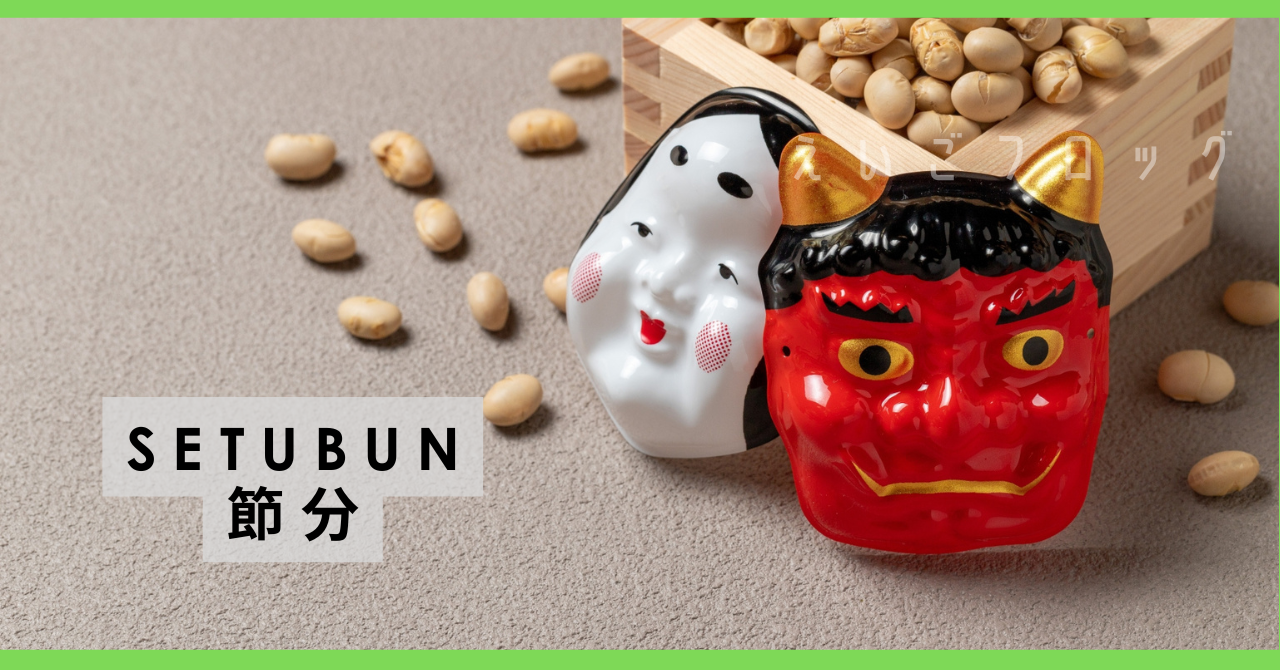
豆を投げて鬼を追い払い、無言で太い巻き寿司を食べる——。一見すると不思議な習慣がある節分(せつぶん)ですが、その背景には、日本人の季節感や厄払いの考え方がぎゅっと詰まっています。
In early February, Japan celebrates a curious and lively tradition called Setsubun. People throw beans to chase away demons and eat a thick sushi roll in silence. It may look strange at first, but it’s deeply connected to how Japanese people think about seasons, luck, and renewal.
節分(せつぶん)とは、もともと「季節を分ける」という意味の言葉でした。昔の日本では、春夏秋冬それぞれの始まりの前日が節分とされていましたが、現在では立春の前日、つまり2月3日ごろを指すのが一般的です。
Setsubun originally means “dividing the seasons.” In the past, it referred to the day before the start of each season—spring, summer, autumn, and winter. Today, it usually means the day before the start of spring, around February 3rd.
昔の人々は、季節の変わり目には体調を崩しやすく、災いが入り込みやすいと考えていました。そのため節分は、悪いものを追い払い、新しい季節を清らかな気持ちで迎えるための大切な節目だったのです。
People long ago believed seasonal changes made it easier to get sick or invite bad luck, so Setsubun became a time to drive away negative things and welcome a new season with a fresh mindset.
節分といえば、「鬼は外、福は内!」と声をかけながら豆をまく光景が定番です。この豆まきには、言葉遊びと信仰が結びついた意味があります。
When people think of Setsubun, they picture throwing beans while shouting “Oni wa soto! Fuku wa uchi!” (“Demons out! Good luck in!”).
豆(まめ)は「魔を滅する(まをめっする)」という言葉に通じ、邪気を払う力があると考えられてきました。また、生の豆ではなく炒り豆を使うのは、「芽が出ない=悪いものが再び育たない」ようにするためです。
The tradition mixes wordplay and belief: mame sounds like “destroying evil,” and roasted beans are used so they won’t sprout, symbolizing that bad things won’t return.
節分に登場する鬼は、単なる怖いキャラクターではありません。鬼は、病気や災害、不運、さらには人の心の弱さや怠け心など、目に見えない「厄」の象徴とされています。豆まきは鬼を倒すイベントというより、「一年分の厄を外に追い出す行為」なのです。だからこそ、家族みんなで行うことで、家全体を清める意味を持ちます。
The oni in Setsubun isn’t just a scary character; it symbolizes invisible misfortune like illness, disasters, bad luck, and even human weaknesses. Bean-throwing isn’t about defeating demons but pushing out a year’s worth of bad energy, which is why families do it together to cleanse the whole home.
近年、節分の定番として定着したのが「恵方巻」です。これは節分の日に、その年ごとに決まる「恵方(縁起の良い方角)」を向いて食べる太巻き寿司のことです。食べるときは切らずに丸ごと、願い事を思い浮かべながら、できるだけ黙って食べるのが良いとされています。切らないのは縁を切らないため、無言なのは運が逃げないようにするためだと言われています。
Ehomaki is a thick sushi roll eaten on Setsubun while facing the year’s lucky direction. It’s eaten whole and in silence while making a wish—not cutting it means not breaking bonds, and staying quiet is said to keep good luck from escaping.
実は、恵方巻は全国的に見ると比較的新しい風習です。発祥は大阪周辺とされ、全国に広まったのはここ数十年のことでした。それでも、「食べることで運を取り込む」という考え方は、日本文化ととても相性が良く、今では節分の楽しみのひとつとしてすっかり定着しています。
Ehomaki is actually a fairly modern custom that began around Osaka and spread nationwide only in recent decades. Even so, the idea of taking in good luck by eating fits Japanese culture well, making it a popular part of Setsubun today.

節分の日には、多くの神社で豆まきの神事が行われます。年男・年女や著名人が参加することもあり、境内はお祭りのような賑わいになります。まかれた豆やお菓子を拾うと福を授かると言われており、毎年多くの参拝者が集まります。
On Setsubun, many shrines hold bean-throwing ceremonies, sometimes joined by lucky-year participants or celebrities, creating a festival-like atmosphere. It’s believed that catching the beans or snacks brings good fortune, drawing large crowds each year.
最近では、鬼の仮装を楽しんだり、チョコレート豆や落花生を使ったりと、節分のスタイルはとても自由になっています。忙しい人は豆まきだけ、恵方巻だけと、無理のない形で取り入れることも増えました。それでも、「厄を払い、新しい季節を迎える」という節分の本質は変わっていません。冬から春へ、気持ちを切り替えるための静かなリセットの日なのです。
Today, Setsubun is celebrated more freely—people dress up as oni, use chocolate beans or peanuts, or keep it simple. Even so, its core meaning remains the same: clearing away bad luck and welcoming a new season, a quiet reset from winter to spring.