![[商品価格に関しましては、リンクが作成された時点と現時点で情報が変更されている場合がございます。]](https://hbb.afl.rakuten.co.jp/hgb/4575283f.b1744716.45752840.c55e5183/?me_id=1213310&item_id=14216907&pc=https%3A%2F%2Fthumbnail.image.rakuten.co.jp%2F%400_mall%2Fbook%2Fcabinet%2F2184%2F9784323032184.jpg%3F_ex%3D240x240&s=240x240&t=picttext "[商品価格に関しましては、リンクが作成された時点と現時点で情報が変更されている場合がございます。]")

![[商品価格に関しましては、リンクが作成された時点と現時点で情報が変更されている場合がございます。]](https://hbb.afl.rakuten.co.jp/hgb/4575283f.b1744716.45752840.c55e5183/?me_id=1213310&item_id=20194284&pc=https%3A%2F%2Fthumbnail.image.rakuten.co.jp%2F%400_mall%2Fbook%2Fcabinet%2F4188%2F9784790254188.jpg%3F_ex%3D240x240&s=240x240&t=picttext "[商品価格に関しましては、リンクが作成された時点と現時点で情報が変更されている場合がございます。]")
「鳥居(とりい)」を英語で紹介 / What is Torii?
eeom6002
えいごフロッグ
日本の昔話や年中行事に欠かせない「鬼(おに)」。でも鬼っていったい何なんでしょう?
From old folktales to annual festivals, oni are an essential part of Japanese culture.
But what exactly are oni, really?
鬼(おに)とは、日本の民間伝承に登場する超自然的な存在で、災い・異界・人の心の弱さなどを象徴しています。 角が生えて、虎柄のパンツをはき、怖い顔で人を追いかける——そんなイメージが強いですが、鬼は単なる悪役ではありません。日本人にとって鬼は、恐怖の象徴であると同時に、自分自身と向き合うための存在でもあるのです。
An oni is a supernatural being that appears in Japanese folklore, symbolizing calamity, the otherworld, and the weaknesses of the human heart. They are often imagined with horns, wearing tiger-striped loincloths, and chasing people with frightening faces. However, oni are not merely villains. For Japanese people, oni represent not only fear but also a presence that prompts self-reflection and confrontation with one’s own inner self.
鬼は、単なるモンスター(悪)ではなく、「人間社会の外側にあるもの」や「人の中に潜む負の感情」を形にした存在と考えられてきたんだ。だからこそ、鬼は、倒される存在でありながら、どこか人間くさく描かれることも多いんだよね。
Rather than pure evil, oni often reflect what people fear or try to avoid. That’s why oni often feel strangely human.
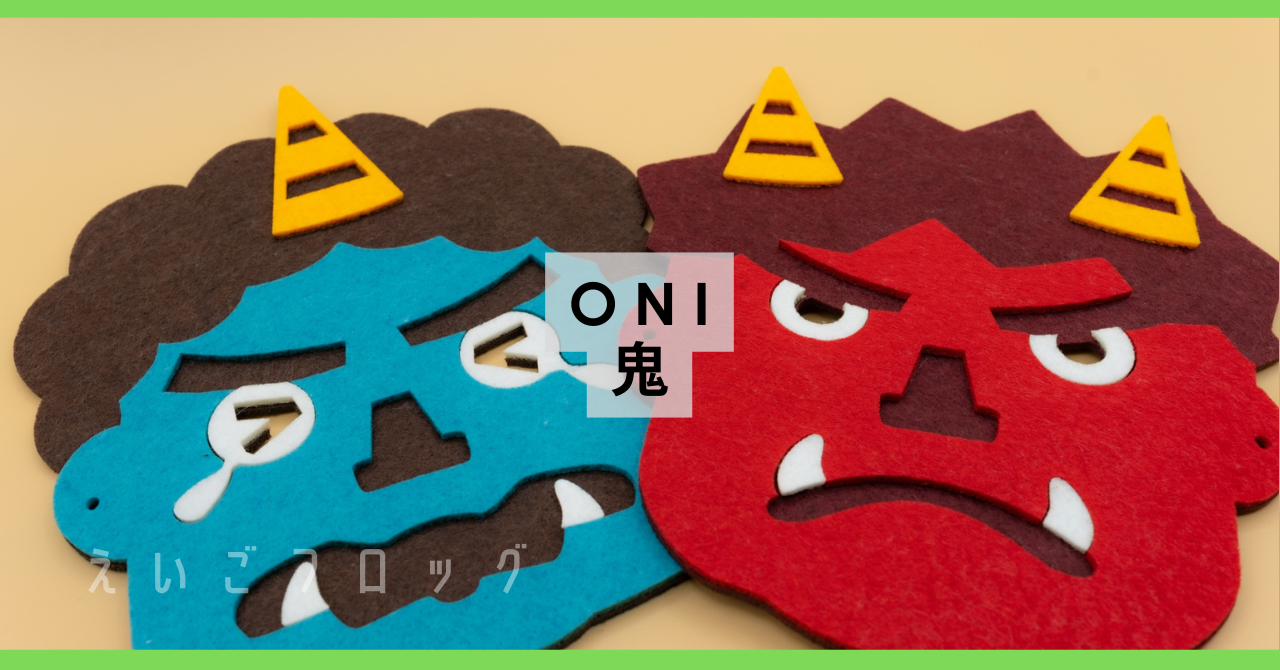
鬼といえば赤鬼と青鬼。この色分けにも意味があります。赤鬼は欲望や怒り、衝動といった感情を象徴し、力が強く感情的な存在として描かれます。一方、青鬼は冷静さや理性、嫉妬や悲しみなど、内にこもる感情を表すことが多いです。この2種類の鬼は、人の心の中にある相反する感情そのものとも言えるでしょう。
Red oni represent passion, anger, and raw emotion. Blue oni are linked to calmness, intelligence, or quiet resentment. Together, they mirror the conflicting sides of the human mind.
節分では、「鬼は外、福は内」と言いながら豆を投げます。ここでの鬼は、病気・不幸・災厄など、追い払いたいものの象徴です。
During Setsubun, people throw beans while chanting “Oni out, good fortune in.” The oni here represent illness, bad luck, and misfortune.
実はこの鬼、特定の存在というより、「その年に持ち越したくない悪いもの」すべてを背負わされている役なのです。だから節分の鬼は、毎年必ず嫌われ役になります。つまり、鬼は悪者というより「厄を引き受ける存在」。嫌われ役だけど、実はとても重要な役割を担っているのです。
The oni aren’t specific beings—they carry everything people want to get rid of before the new season begins. They’re villains, but necessary ones.
鬼の角や虎柄のパンツは、実は偶然ではありません。陰陽道という、陰と陽や五行の考え方をもとにした日本の伝統的な思想では、鬼が出入りする「鬼門」は、丑(牛)と寅(虎)の方角にあたります。そのため、鬼は牛の角を持ち、虎の皮を身につけていると考えられるようになりました。見た目も、きちんと意味のあるデザインなのです。
The oni’s horns and tiger-striped pants aren’t just random details. In Onmyōdō, a traditional Japanese belief system that combines ideas of yin and yang with astrology and fortune-telling, the “demon gate” is associated with the Ox and Tiger directions. That’s how oni came to be imagined with horns and tiger skins.
鬼といえば、忘れてはいけないのが「桃太郎」の物語です。鬼ヶ島に住む鬼たちは、村を荒らし、人々を困らせる存在として描かれます。桃太郎は、犬・猿・キジを仲間にし、鬼を退治しに行きますが、最終的に鬼は命を奪われるのではなく、宝物を返して降伏します。
When you think of oni, you can’t forget the story of Momotarō.
The oni living on Onigashima are shown as troublemakers who attack villages and make people’s lives miserable. Momotarō teams up with a dog, a monkey, and a pheasant and goes to stop them. In the end, though, the oni aren’t killed—they give back the treasure and give up.
この結末は、「力でねじ伏せるだけでなく、秩序を取り戻す」ことが目的だったことを示しています。鬼は完全な悪ではなく、社会の外に追いやられた存在として描かれているのです。
This ending shows that the goal wasn’t just to overpower them, but to restore order.
The oni aren’t portrayed as pure evil—they’re more like outsiders pushed to the edges of society.
現代では、鬼は怖い存在というより、親しみのあるキャラクターとして登場します。節分のイベント、アニメやゲーム、ゆるキャラなど、その姿はずいぶん柔らかくなりました。
In modern Japan, oni show up less as scary monsters and more as friendly, familiar characters. You see them at Setsubun events, in anime and games, and even as cute mascots—they’ve definitely softened over time.
それでも、鬼が象徴する「向き合うべきもの」という本質は変わっていません。鬼は、日本人にとって「倒すべき敵」でありながら、「自分を映す鏡」でもあります。だからこそ、節分でも昔話でも、鬼は何度も登場し続けるのかもしれません。
Still, the core idea behind oni hasn’t really changed. They represent things we’re meant to face. Oni are both enemies to be defeated and mirrors that reflect ourselves. That might be why they keep appearing again and again, whether in folktales or in traditions like Setsubun.