「鏡もち」を英語で紹介 / Introducing Kagami Mochi in English
eeom6002
えいごフロッグ

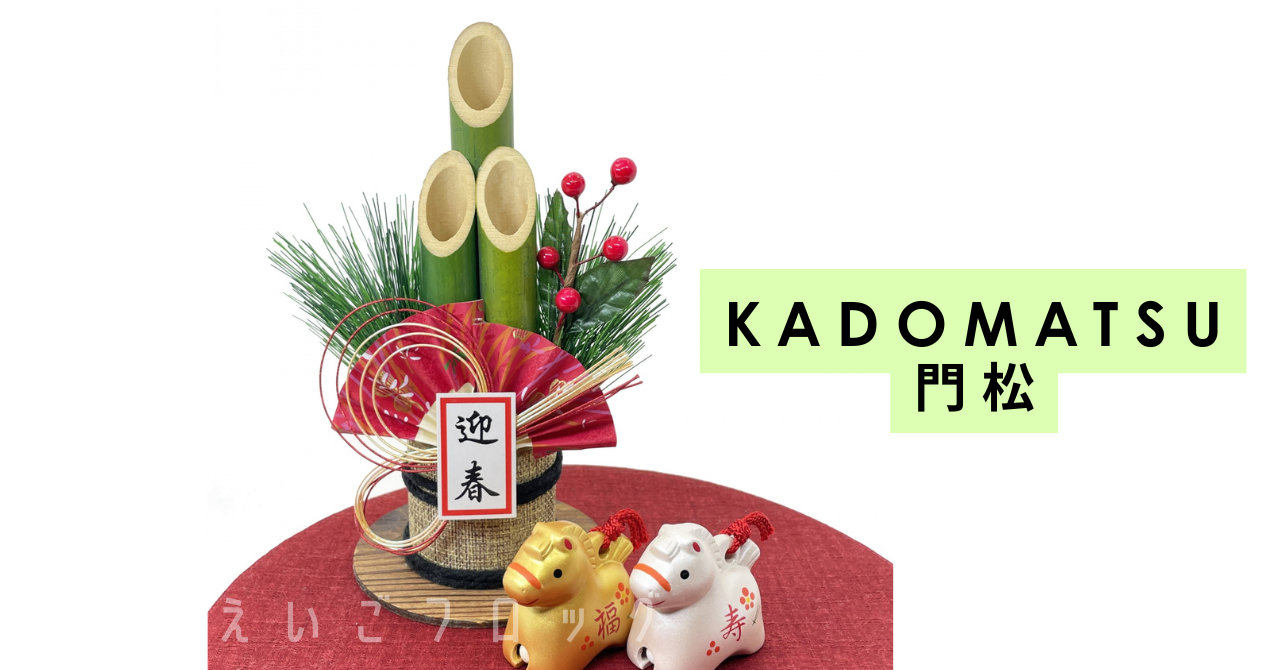
お正月が近づくと、日本の家やお店の玄関先に、竹と松で作られた飾りが立てられます。
それが「門松(かどまつ)」です。門松は、新年に年神様を迎えるための、大切な目印です。
As the New Year approaches, you’ll see decorations made of bamboo and pine placed at entrances in Japan. These are called kadomatsu, traditional decorations used to welcome the New Year deity, Toshigami.
門松は、年神様が家に来るときの目印として、玄関や門の前に飾られる正月飾りです。
年神様が迷わず家を見つけられるように立てられます。通常は左右一対で飾られ、「迎え入れる」という意味が込められています。
Kadomatsu is a New Year decoration placed at entrances to guide Toshigami, the New Year deity, to the home. They are usually displayed as a pair, symbolizing a welcoming entrance.
門松には、主に松・竹・梅が使われます。それぞれに縁起のよい意味があります。
Kadomatsu typically uses pine, bamboo, and plum, each with symbolic meaning.
自然の力を借りて、新しい一年の幸せを願う飾りなのです。
Kadomatsu reflects wishes for a strong and fortunate new year through nature.
門松の竹は、斜めに切られているのが特徴です。これは「そぎ」と呼ばれる切り方です。
The bamboo in kadomatsu is cut diagonally, a style called sogi. This shape is believed to make it easier for Toshigami to visit.
この形には、
といった意味があるとされています。
門松は、12月下旬から1月7日頃まで飾られるのが一般的です。この期間は「松の内」と呼ばれ、年神様が家に滞在すると考えられています。
Kadomatsu is usually displayed from late December until around January 7th. This period is called Matsu-no-Uchi, when Toshigami is believed to stay.
松の内が終わると、門松は片づけられます。多くの地域では、どんど焼きなどの神事で焚き上げられます。これは、年神様を見送り、感謝を伝える意味があります。
After the New Year period, kadomatsu is taken down and often burned in ritual fires called Dondoyaki. This ritual sends off Toshigami with gratitude.
最近では、
も増え、暮らしに合わせた形で楽しまれています。
Today, modern kadomatsu styles fit various living spaces.
門松は、ただの飾りではありません。年神様を迎え、新しい一年を大切に始めるための、日本ならではのサインです。
Kadomatsu is more than decoration — it’s a symbol of welcoming a fresh start.