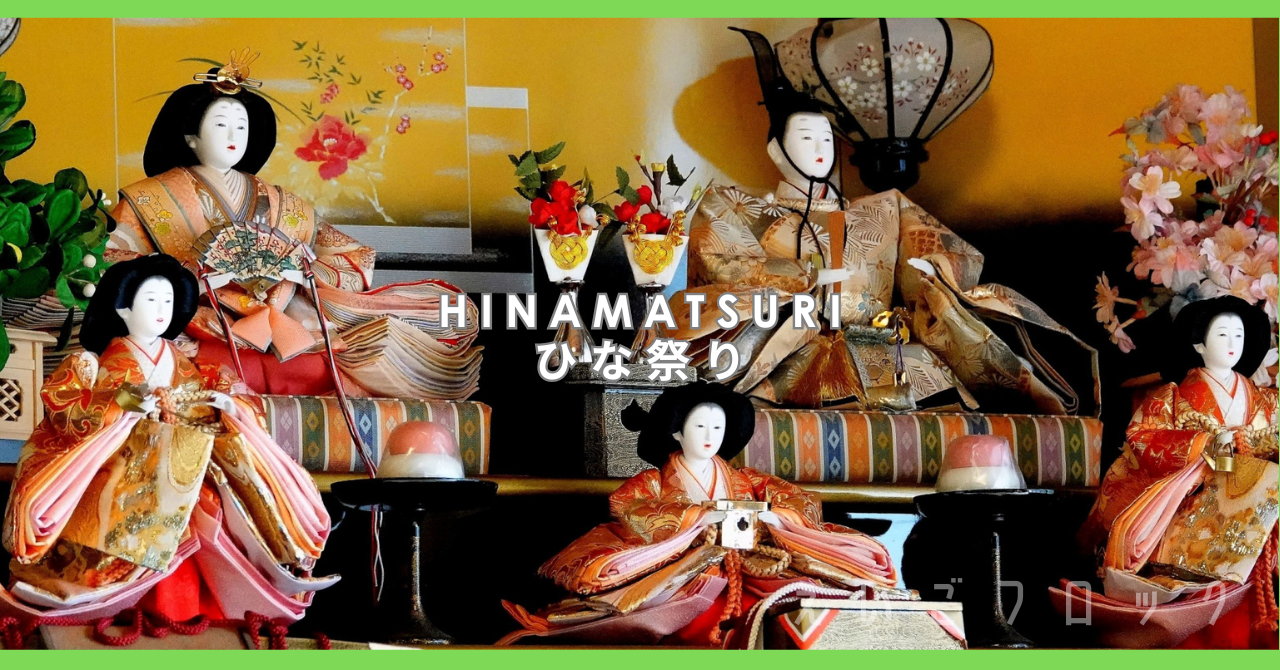
「ひな祭り」を英語で紹介 / Introducing Hinamatsuri in English
eeom6002
えいごフロッグ

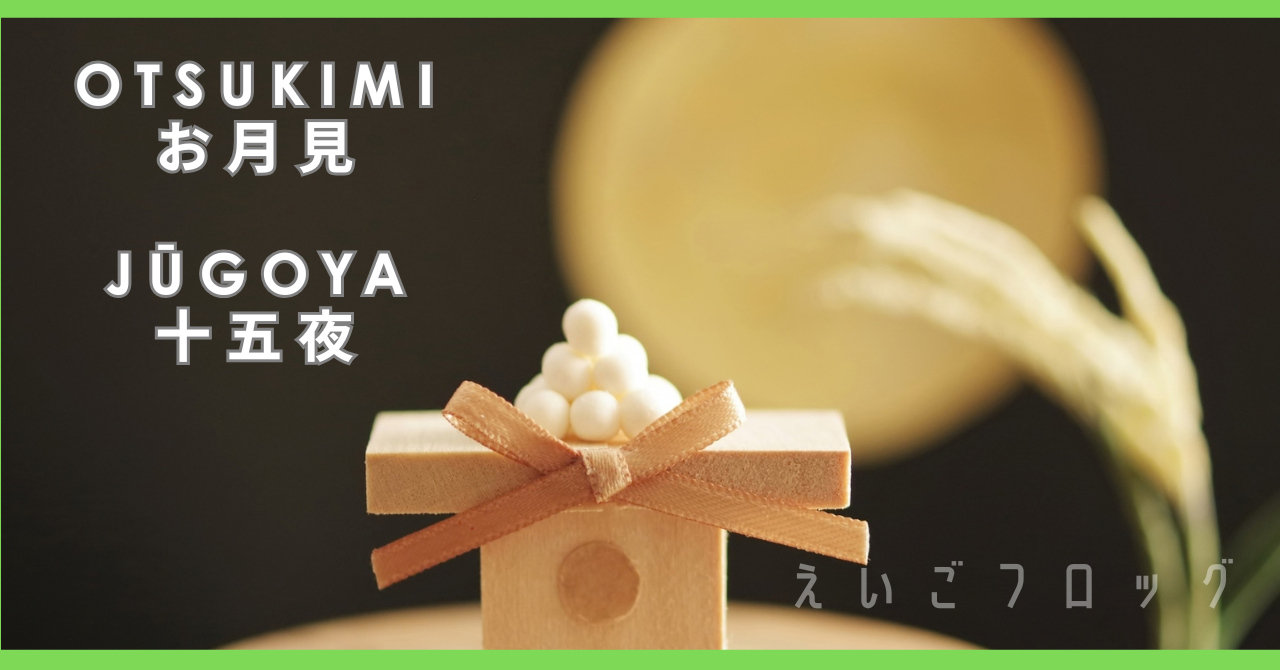
Japan’s Moonlit Celebration — 十五夜は日本の“月を愛でる”特別な夜です。
十五夜(じゅうごや)は、旧暦の8月15日にあたる「中秋の名月」を楽しむ日本の伝統行事で、「お月見」として広く親しまれています。 Jūgoya is a traditional Japanese celebration of the Harvest Moon, observed on the 15th night of the eighth lunar month, and is widely known as Otsukimi, Japan’s moon‑viewing custom.
一年の中でも特に美しいとされる満月を眺め、収穫への感謝を表す夜です。 It’s a night to appreciate the beauty of the full moon and give thanks for the autumn harvest.
十五夜は、季節の移ろいを感じる“静かな行事”として親しまれています。 Jūgoya is cherished as a quiet, reflective event that lets people feel the shift of seasons.
秋の澄んだ空気の中で見る満月は「一年で最も美しい月」と言われてきました。 The crisp autumn air makes the moon appear unusually bright, often called the most beautiful moon of the year.
十五夜には、収穫への感謝を込めてお供えをします。 During Jūgoya, people prepare offerings to express gratitude for nature’s blessings.
家族や友人と月を眺めたり、団子を食べたり、静かに秋の夜を楽しみます。 People enjoy Jūgoya by moon‑viewing, sharing seasonal treats, and relaxing in the cool evening air.
十五夜の起源は中国の「中秋節」。平安時代に日本へ伝わりました。 Jūgoya originated from China’s Mid‑Autumn Festival and arrived in Japan during the Heian period.
貴族たちは月を眺めながら和歌を詠み、農村では収穫祭として定着しました。 Aristocrats composed poetry under the moon, while farming communities adopted it as a harvest celebration.
十五夜は旧暦で決まるため、日付は毎年変わります。 Because Jūgoya follows the lunar calendar, its date shifts each year.
You can enjoy Jūgoya at:
家庭の縁側・ベランダ:いちばん身近な月見スポット Home balconies or porches — the simplest way to moon‑view
寺社の月見イベント:音楽や灯籠とともに楽しめる Shrine or temple events — often accompanied by music or lanterns
公園や河川敷:広い空で月がよく見える Parks and riversides — perfect for viewing the moon in an open sky
用意するもの / What You Need
楽しみ方 / Simple Steps
日本では、月の模様が「ウサギが餅をついている姿」に見えると言われています。この由来は、仏教説話「自らを捧げたウサギ」の物語が広まったことが一つ。
In Japan, the moon’s pattern is said to resemble a rabbit pounding mochi. One origin comes from a Buddhist tale about a rabbit who sacrificed itself.
困っている旅人(実は神様)に食べ物を与えようと、ウサギは自分の身を火に投じました。その献身に心を打たれた神様が、ウサギを月に映し、永遠に讃えたという話です。
The rabbit threw itself into a fire to feed a traveler who was actually a deity. Moved by its selflessness, the deity placed the rabbit’s image on the moon as a tribute.
また、東アジアでは古くから「月=餅や団子の象徴」という文化があり、 そのイメージとウサギの物語が重なり、「十五夜=ウサギが餅をつく」という可愛らしい月の見立てが生まれました。
In East Asia, the moon has long been associated with rice cakes and round dumplings. This symbolism combined with the rabbit legend, creating the charming idea of a rabbit making mochi on the moon.