「しめ縄」を英語で紹介 / Introducing Shimenawa in English
eeom6002
えいごフロッグ

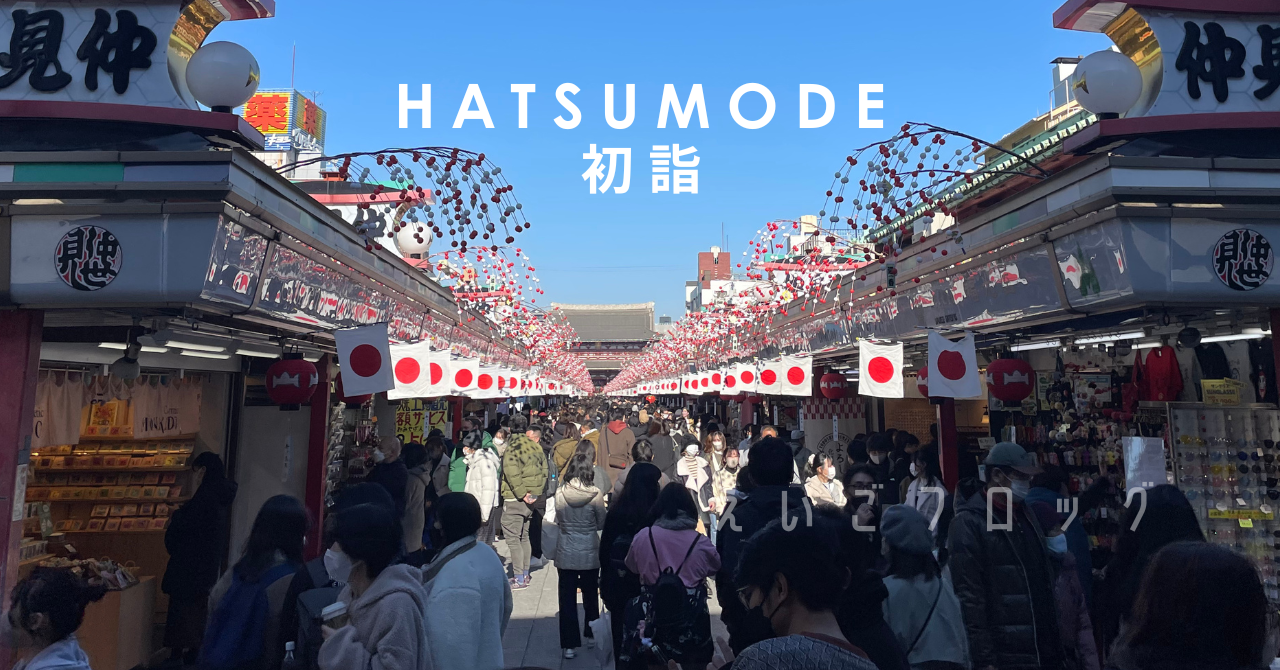
初詣(はつもうで)とは、新しい年になって最初に神社やお寺を訪れ、神様や仏様に挨拶をする習慣です。一年を無事に迎えられたことへの感謝を伝え、これから始まる一年の健康や安全を願います。
Hatsumode is the custom of making your first shrine or temple visit of the year. People go to say thank you for getting through the past year and to wish for good health, safety, and happiness in the new one.
特徴的なのは、信仰がとてもゆるやかなこと。多くの日本人にとって初詣は、「信心深い行為」というよりも、「新年のスタートを切るための儀式」のような存在です。
For many Japanese people, Hatsumode isn’t about strict religious belief.
It’s more like a ritual that marks the beginning of a new year.
初詣のピークは、元日から三が日(1月1日〜3日)。この期間は、年神様(としがみさま)が各家庭を訪れると信じられてきました。特に元日の参拝は、「一年最初の行動」として縁起が良いとされ、寒い中でも多くの人が列に並びます。
Most people go during the first three days of January, called Sanganichi. Traditionally, this is when the New Year deity, Toshigami, is believed to visit homes. Visiting on January 1st is seen as especially lucky — your very first action of the year.
鳥居の前で軽く一礼し、手水舎で手と口を清め、本殿の前でお賽銭を入れて手を合わせます。
神社では、二礼二拍手一礼が基本です。
You bow at the torii gate, wash your hands, offer a coin, and clap your hands at the shrine. Each step helps you slow down and prepare your mind.
初詣には一応の作法がありますが、完璧である必要はありません。大切なのは、静かな気持ちで神様に向き合うことです。
There’s a general flow to visiting a shrine, but you don’t need to stress about getting everything perfect. What matters most is showing respect.
初詣では、「大きな願い」をしっかりお願いする人もいれば、「今年もよろしくお願いします」と神様に軽く挨拶するような人もいます。まるで久しぶりに顔を合わせた相手に、近況報告をするような感覚です。
During Hatsumode, some people make clear, heartfelt wishes, while others simply say something like, “Please watch over me this year,” almost as if they’re greeting someone they know.
願いの内容も、健康のこと、家族の無事、仕事や勉強のことなど本当にさまざま。でも日本人の中には、いきなりお願いごとをするよりも、「去年もありがとうございました」と、まず感謝を伝えることを大切にする人も多くいます。
Requests range from health and family safety to work and studies, but many people in Japan prefer to start by saying thank you for the past year before asking for anything new.
初詣は、「願いを叶えてもらう場」というよりも、新しい一年に向けて気持ちを整え、神様と静かに向き合う時間なのかもしれません。
In that sense, Hatsumode isn’t just about getting wishes granted — it’s also a moment to pause, reflect, and reset for the year ahead.
初詣の時期には、お守りやおみくじ、破魔矢などの縁起物が並びます。
これらは、神様とのつながりを形として持ち帰るものです。
During Hatsumode, you’ll see charms, fortune slips, and ceremonial arrows everywhere.
They act as physical reminders of protection and good luck.
お守りを詳しく知る What is Omamori? >>
おみくじを詳しく知る What is Omikuji? >>
破魔矢を詳しく知る What is Hamaya? >>
初詣は、とてもにぎやかな行事でもあります。家族や友人と一緒に出かけ、参道の屋台で甘酒を飲んだり、軽食を楽しんだり。寒い空気の中で、少し浮き立つようなお正月独特の雰囲気が広がります。
Hatsumode is also a social event. People go with family or friends and enjoy food stalls selling amazake and festival snacks. There’s a festive, slightly magical atmosphere that feels unique to the New Year.
日本のお正月は、ただの祝日ではありません。「今年はどんな一年にしようか」と、気持ちを整え、少し立ち止まって考える大切な節目です。そんな新年の空気を象徴する行事が、初詣です。
In Japan, the New Year isn’t just a holiday. It’s a moment to reset your mind and gently think about how you want to live the year ahead. Hatsumode — the first visit to a shrine or temple — sits right at the heart of this tradition.
初詣は、新しい一年を、静かに、前向きにスタートさせるための大切な時間なのです。
Hatsumode is a gentle way to begin the year — calm, hopeful, and intentional.