「線香花火」を英語で紹介 / Introducing Senko Hanabi in English
eeom6002
えいごフロッグ

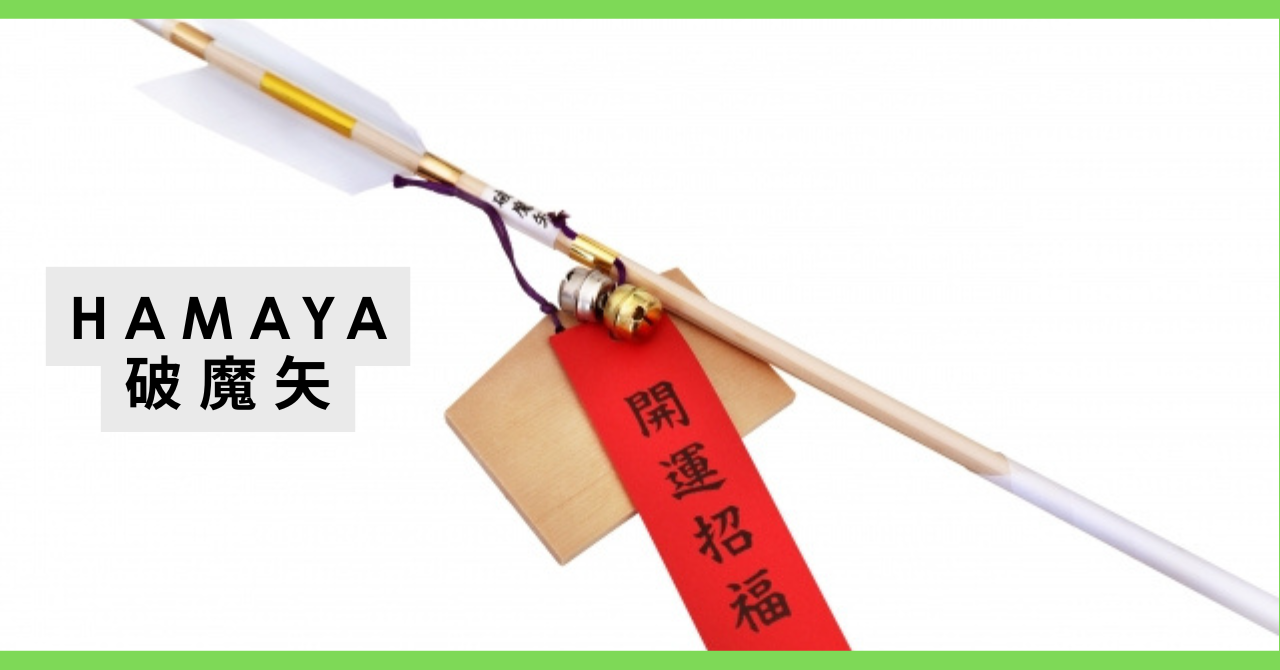
お正月に神社で見かける、白い羽根のついた一本の矢。それが破魔矢(はまや)です。新しい年の始まりに、災いを払い、幸運を招く縁起物として、日本では古くから親しまれてきました。
A single arrow with white feathers, often seen at shrines during the New Year—this is called a hamaya. In Japan, it has long been cherished as a lucky charm to ward off evil and bring good fortune for the year ahead.
破魔矢は、邪気や災いを払い、幸運を招くとされる、日本の伝統的な縁起物です。主にお正月に神社やお寺で授与され、家に飾って一年の無病息災を願います。
A hamaya is a traditional Japanese good-luck charm believed to ward off evil and bring good fortune. It is usually obtained at shrines or temples during the New Year and displayed at home for protection.
破魔矢は、実際に射るための矢ではなく、飾るための儀礼的な矢です。白い羽根がついた矢先と、装飾された矢軸が特徴です。
Hamaya are symbolic arrows, not meant to be shot. They feature a decorated shaft and white feathers.
破魔矢の特徴 / Features of Hamaya
単なるお土産ではなく、神さまのご加護を家に迎える象徴として大切にされています。
Rather than souvenirs, hamaya are treated as symbols of divine protection welcomed into the home.
「破魔矢」という名前は、魔を破る矢という意味から来ています。矢は古来より、邪悪なものを遠ざける力を持つと信じられてきました。
The name hamaya literally means “an arrow that destroys evil.” Arrows have long been believed to possess the power to drive away negative forces.
特に白い羽根は清浄を象徴し、見えない災いを遠くへ追い払う存在とされています。
The white feathers symbolize purity and are thought to repel unseen misfortune.
破魔矢は、目線より高い場所に飾るのが一般的です。神棚がある場合は、その近くに飾られることが多いです。厳密な決まりはなく、大切に思う気持ちが何より大事とされています。
Hamaya are usually displayed above eye level, often near a household shrine if there is one. There are no strict rules—the most important thing is displaying it with respect.
破魔矢は、子どもの健やかな成長を願うお守りとしても用いられます。とくに初正月や七五三の時期に授かる家庭もあります。昔は子どもが病気にかかりやすかったため、邪気から守る意味が強く込められていました。
Hamaya are also given as charms for children’s health and growth, especially during a child’s first New Year or Shichi-Go-San. In the past, when childhood illness was more common, hamaya symbolized strong protection.
破魔矢は、主にお正月の時期に神社やお寺で授与され、特に初詣の際によく見かけます。また、場所によっては縁起物市や伝統的な祭りなどでも手に入れることができます。
Hamaya are most commonly obtained at shrines and temples during the New Year season, especially when visiting for Hatsumode, the first shrine or temple visit of the year. In some areas, they can also be found at traditional markets or special festivals that sell good-luck items.
破魔矢は、一年守ってくれたことに感謝し、神社へ返納するのが一般的です。
多くの神社では「古札納所」が設けられています。新しい年には、また新しい破魔矢を授かります。
After one year, it’s customary to return the hamaya to a shrine to express gratitude.
Most shrines provide a place for returning old charms. A new hamaya is then obtained for the coming year.
破魔矢は、日本人にとって 「新しい年を、清らかな気持ちで迎えるための象徴」です。
For many Japanese people, hamaya represent starting the year with a clean, protected heart.