「七草がゆ」を英語で紹介 / Introducing Nanakusa-gayu in English
eeom6002
えいごフロッグ

お正月の家庭やお店で、白く丸いおもちが重ねられて飾られている「鏡餅(かがみもち)」。見た目はシンプルですが、そこには信仰や願いがたくさん込められています。
Have you ever seen two round white rice cakes stacked up during the Japanese New Year?
That is kagami mochi, a traditional New Year decoration filled with deep cultural meaning.
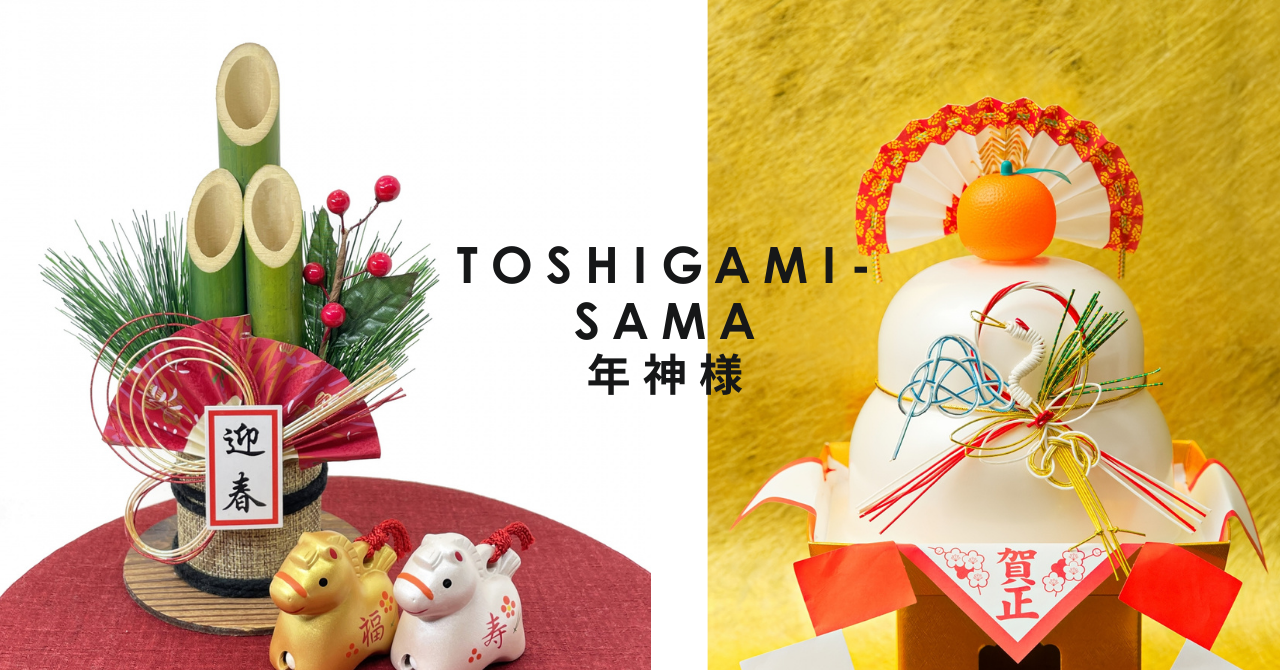
鏡もちは、大小二つの丸いおもちを重ね、その上に橙(だいだい)をのせた正月飾りです。
お正月に年神様(としがみさま)を迎えるための「依り代(よりしろ)」として飾られます。
Kagami mochi is a traditional New Year decoration made of two round rice cakes stacked on top of each other, usually topped with a daidai (Japanese bitter orange).
It is placed as a yorishiro, a symbolic place where the New Year deity is invited to stay.
形や素材の特徴 / Shape and Materials
鏡もちは、年神様を家に迎え入れるための目印です。年神様は新年に幸運や豊作、健康をもたらす存在と考えられてきました。
Kagami mochi is displayed to welcome Toshigami, the deity believed to bring good fortune, health, and a successful year.
おもちは神聖な食べ物とされ、神様の力が宿ると考えられています。鏡もちを飾ることで、その力を家族で分け合う準備をするのです。
Rice cakes are considered sacred in Japan, believed to hold divine power. Displaying kagami mochi prepares the household to receive and share that blessing.
「鏡」は、古代日本では神聖なものとされてきました。特に銅鏡は、神社に祀られる神具のひとつです。鏡もちの丸く平たい形が、この銅鏡に似ていることから「鏡もち」と呼ばれるようになったとされています。
The word kagami (mirror) refers to sacred bronze mirrors used in ancient Japan as ritual objects. Kagami mochi is named after these mirrors because its round shape resembles them.
鏡はもち、年神様を迎える場所に飾ります。高い位置で、清潔な場所に置くのがよいとされています。
Kagami mochi is placed in locations where the New Year deity is welcomed. It should be placed in a clean, slightly elevated area.
主な設置場所 / Common Places
鏡もちは通常、1月11日の「鏡開き」に下げます。このとき、おもちは包丁で切らず、手や木槌で割ります。「切る」という言葉を避け、縁起を大切にするためです。
Kagami mochi is traditionally taken down on January 11th, during an event called Kagami Biraki. The mochi is broken by hand or with a mallet, not cut with a knife, to avoid unlucky associations.
割った鏡もちは、家族で食べます。神様の力を体に取り込む、という意味があります。
After kagami biraki, the mochi is eaten and shared. Eating the mochi symbolizes receiving divine blessings.
定番の食べ方 / Popular Ways to eat
最近では、真空パックのおもちや、プラスチック製の橙を使った鏡もちも一般的です。伝統を大切にしつつ、現代の生活に合わせた形へと進化しています。
Today, many kagami mochi use vacuum-packed rice cakes and plastic decorations. While preserving tradition, kagami mochi has adapted to modern lifestyles.
鏡もちは、ただのお正月飾りではありません。新しい年を大切に迎え、家族の健康と幸せを願う、日本人の心が詰まった存在です。
Kagami mochi is more than a decoration. It represents hope, gratitude, and wishes for a happy and healthy New Year.